9 Alder Tree Varieties That Are Perfect For Your Garden
With over 35 species, the options alder tree varieties offer are more than many other trees. Especially considering that many of these varieties are readily available and volition grow in different zones and soil types with bug.
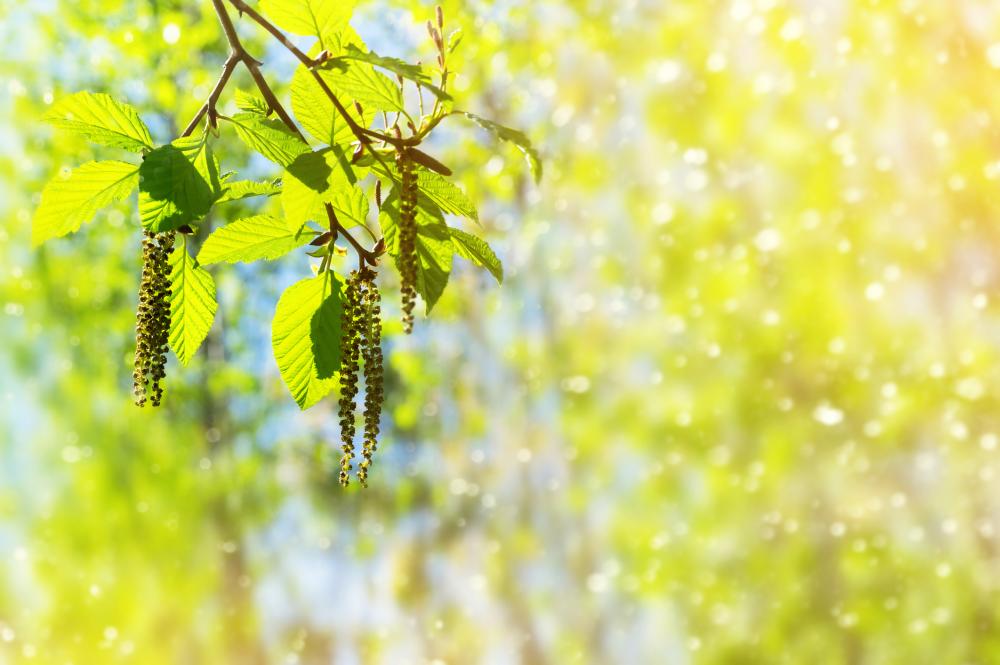
Fifty-fifty non-native species of the alder tree accept adapted well to the soil and climate of North America. Moreover, the tree grows well in poor soil and wet patches where fewer trees would survive. Not to mention that with and then many varieties, you won't have a trouble finding the right alder for your specific landscaping needs.
In fact, in many cases, the real trouble is choosing one of the many alder tree varieties. While some varieties can reach lxxx feet easily, others are more down-to-earth in more means than one. The following listing covers some of the more than mutual alder tree varieties and what each species is good for.
Blood-red Alder
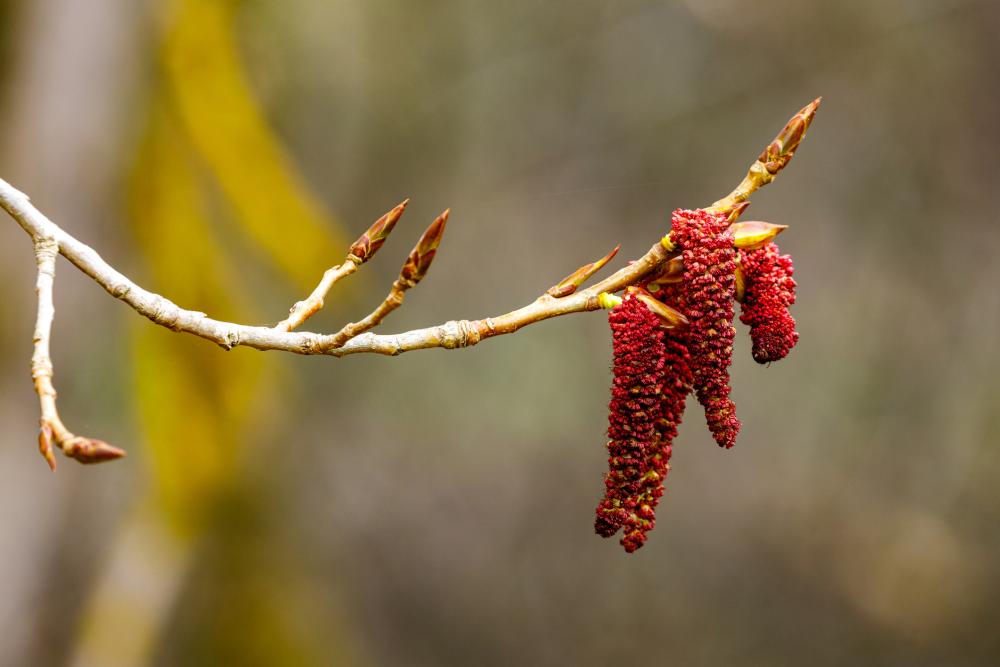
The red alder (Alnus rubra) is a native to the Pacific Northwest from Alaska to Montana. It is one of the largest alder species that grows in the wild. On average, the red alder could tower well over 80 feet. It grows well in cooler zones between four and 7. Despite that, the tree requires full sunday to thrive and avoid many of the diseases that plague the species.
The bark of the tree comes in unlike shades of grey, white, and brown and turns dark equally the tree ages. As for the leaves, they're light light-green and broad. They too tend to whorl under around the edges, which is 1 way to distinguish this giant alder from other species.
The wood of the cherry alder comes in different shades and is easy to cut and piece of work with. It's non surprising then that big guitar manufacturing brands such as Fender use red alder wood to brand their acoustic guitars.
The wood also is soft and has great finishing abilities, which brand information technology ideal for tool hands. And since information technology'southward odorless, it goes into many business firm applications.
Blackness Alder
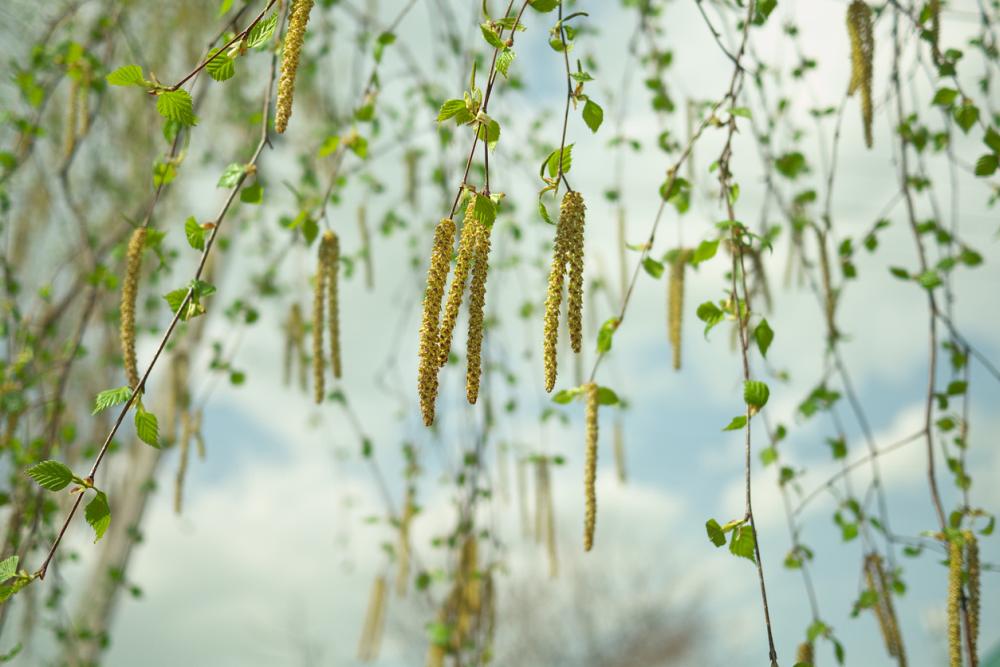
The black alder (Alnus glutinosa) is a member of the Betulaceae family unit and is native to Europe and Due north Africa. It grows well in moist and damp climates where the soil is constantly wet. It gets its name from the dark resin that flows out of the fissures of the bark equally the tree gets old.
As i of the giant alders, the black alder grows to up to 100 anxiety in the right conditions. In the wild, it grows almost river banks where the soil is moist all the time. The blackness alder has nighttime greenish leaves which stay on the tree for long months and are only shed toward the end of the fall season.
The forest of the black alder is normally white when freshly cut. But information technology presently turns dark red, and different knots class on the surface. This is why information technology is only used to brand paper and coal. But because it has high resistance to water rot, the wood goes into underwater construction work and foundations.
The black alder has a high tolerance for fractional shade, although it favors full sun. It grows well in zones three to 7.
Seaside Alder
I of the smaller alders, the seaside alder (Alnus maritima) grows only to about 30 feet on a good day. Every bit the name implies, this alder grows in moist soil and can be constitute in the swamps of Georgia, Maryland, Delaware, and Oklahoma.
The bawl of this pocket-sized tree has distinct red or brown hues with many spots which go well with its charming yellow flowers. In the wild, the tree is a favorite place for nesting birds, and since it does well in both partial shade and total sun, it attracts unlike bird species.
You can grow the seaside alder in zones 4 to vii as long as you lot have the right soil for information technology. The ideal spot for this alder is near a pond, lake, or water stream. Dry soil can accept dramatic furnishings on the tree, and if information technology doesn't go plenty moisture, the tree will perish soon enough.
The leaves of the alder are rather pocket-size and accept dark light-green colors. In the fall, the leaves turn yellow before they driblet in contrast with other alder leaves that stay green until the fall. The edges of the leaves are fine-toothed, so that'due south some other manner to identify the species.
White Alder
The white alder (Alnus rhombifolia) is also known equally Siera alder and California alder. Native to the western regions of North America, it grows widely in Oregon and California. It has thin leaves as opposed to the broad leaves of the red alder. Merely other than that, both species take many similarities in terms of growing weather condition and hardiness zones.
The white alder grows to about 50 feet, although sometimes it volition elevation at xxx anxiety or thereabout. It thrives in zones 8 to 11 and rewards y'all with fragrant white flowers and lush green leaves. The leaves have fine teeth along the edges, and they're short and squat compared to other alder species.
Commercially, the white alder is grown for its wood. The wood is cinnamon-chocolate-brown and goes into many industries. Native Americans used the bark and the woods in their traditional medicine and burned the white alder forest in their rituals.
As for the bark, it's usually white, especially with young trees. That'south where the tree gets its name. Simply as it gets older, the bawl turns gray. Plant the white alder in a wet patch in your garden or lawn, and it volition thrive there.
Italian Alder
The Italian alder (Alnus cordata) is a fellow member of the birch family. A native of Italy and French republic, the tree grows to 30 to 50 feet and offers many ornamental values. Also its round canopy and symmetrical shape, the Italian alder also has attractive heart-shaped leaves.
The leaves likewise take fifty-fifty edges around the base, just the tips are ordinarily serrated. In addition, the sleeky leaves shimmer in the sunlight and reflect all colors of the rainbow. Then, all in all, it's ideal alder to abound in a small space where information technology becomes the focal indicate in your backyard or garden.
The Italian alder is as well famous for its colorful catkins and fruits. The catkins grow to about five inches long and start as green but soon turn red or pink. As for the bark, it'due south shine and grayish-dark-green all over. The bark maintains its perfect look even as the tree ages.
The forest of the Italian alder doesn't match its good looks and is normally used in making cabinets, frames, and building foundations.
Mexican Alder
The Mexican alder (Alnus jorullensis) is native to United mexican states, Republic of honduras, and Guatemala, amongst other Central America regions. Although information technology comes in many types between shrubs and trees, it can grow to 80 anxiety.
The wood of the Mexican alder has low value commercially, and so the tree is mainly grown for its ornamental qualities. One of these qualities is the lush green leaves. Unlike other alder varieties, the Mexican alder is evergreen and maintains its good looks all year circular.
Ane drawback nigh this alder is its robust root system. Its destructive growth breaks curbsides and uproots fences. So don't plant it near hush-hush pipes or side by side to walls and buildings. In general, you lot should keep a safe distance betwixt 10 to 15 anxiety between the tree and any structure. That aggressive rootball can as well strangle other trees in the vicinity likewise as bushes and deep-rooted plants.
The Mexican alder grows well in warm zones between seven and 12. It favors the full lord's day and thrives in high humidity. The tree might struggle during the dry, hot days of the summer and would require regular watering.
Japanese Alder
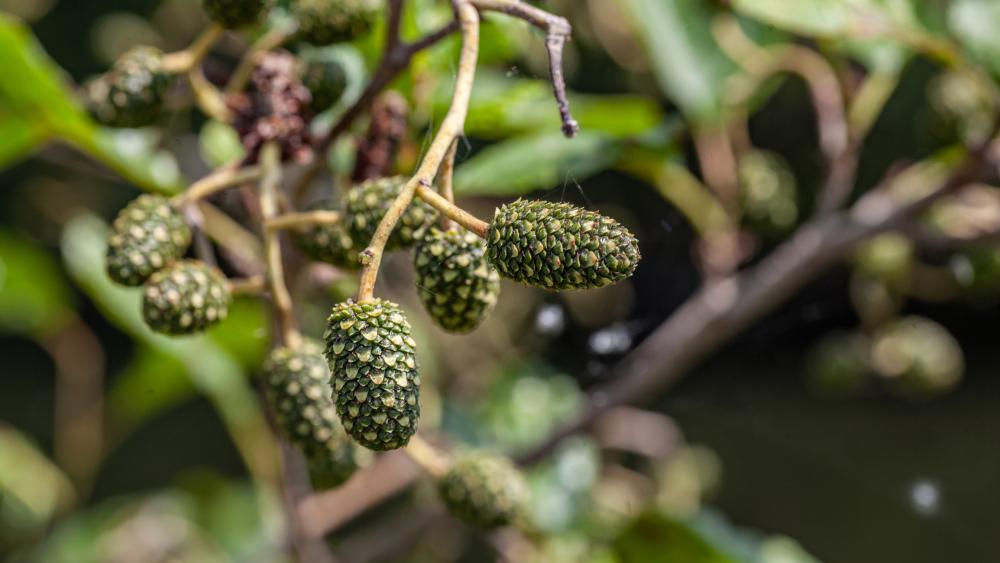
The Japanese alder (Alnus japonica) is native to the eastern fringes of Asia, mainly in Korea, Nihon, and Eastern Mainland china. Information technology grows well in zones v to 7 and requires total sun to thrive. The tree itself is rather small, averaging about 25 feet high. Some varieties can reach 40 anxiety alpine, but that's rare.
The compact size of the tree makes it platonic for small spaces. The tree has big leaves compared to its relative size. The oval-shaped leaves will abound to about 10 inches each and are deeply veined. The edges are smooth, and the leaves maintain a matte green color throughout.
The gray torso of the Japanese alder cracks at a young age, and the fissures abound deeper as the tree matures. But that doesn't accept away from the lush canopy and ornamental leaves.
In the right climate, the tree will keep its foliage all twelvemonth round. Simply in nearly cases, the leaves will turn yellow and drop in the autumn every year.
The forest of the Japanese alder has no commercial use, and if you cut one, you lot can simply store it in firewood racks for the wintertime. The wood burns smoothly and has a fine blue glow every bit the fire subsides.
Nepalese Alder
A native of the Himalayas, the Nepalese alder (Alnus nepalensis) is a behemothic tree with fine quality forest and many ornamental values to boot. In its native habitat, the tree grows in the subtropical regions of China, Bhutan, and Nepal.
Growing to about 100 feet, it thrives in volcanic and rich soil, so growing it in the garden can be challenging. And considering of its massive tiptop, the tree doesn't do well in sandy or gravelly soil. Another challenge has to practice with the soil having to be moist at all times. This is something that the Nepalese alder shares with other alders like the seaside and blackness species.
The tree is deciduous and has a strikingly beautiful bark with silver-gray streaks. And with a vast canopy that stretches about three times the superlative of the tree, this is one giant alder that needs a lot of infinite to grow and flourish.
The leaves are long and broad, which fits a tree this size. In the fall, the flowers (catkins) abound in both sexes on the same tree. The Nepalese alder has soft woods that makes good charcoal simply has no other industrial uses.
Oriental Alder
The oriental alder (Alnus orientalis) is a medium-sized tree that grows betwixt 30 to 50 feet high. It thrives in warm climates as long as the humidity is not too high. You can safely abound the oriental alder in zones 7 to 9 as long as you provide it with 8 hours of sunlight during the growing flavor.
The middle-shaped leaves are bright green and have serrated edges. And despite its name, the oriental alder is native to the Eastern Mediterranean regions rather than the Far Eastward. You can abound information technology equally a shade tree as it has faster growth rates than other alder species.
Source: https://www.diys.com/alder-tree-varieties/
0 Response to "9 Alder Tree Varieties That Are Perfect For Your Garden"
Post a Comment